吟
groan, chant, recite
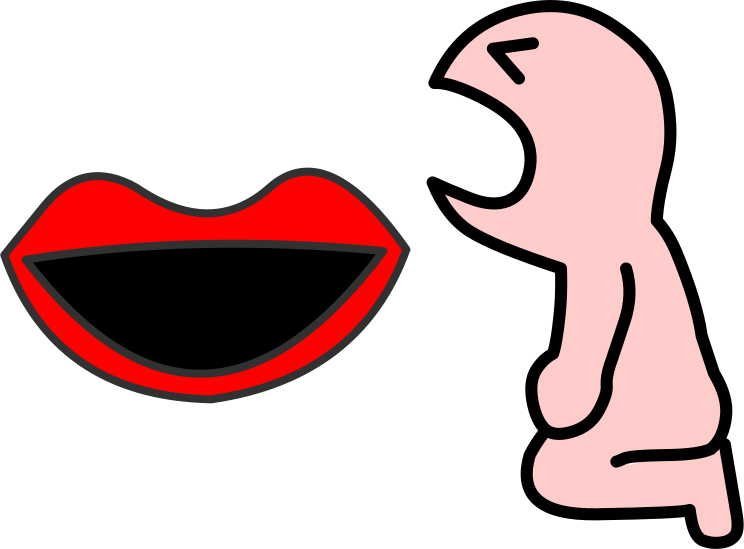
吟 is composed of 口 (mouth) and 今 (now). 今 originally meant closing the mouth or holding something in the mouth (neither spitting out nor swallowing), conveying the idea of keeping speech or sound held in the mouth, thus producing a low, subdued sound from the mouth. Later, as 今 came to derive other meanings, 口 was added to create 吟, restoring and specifying this sense of uttering a low, murmuring sound. Therefore, 吟 refers to the sound emitted in pain or distress, or to chant, recite, or intone (as in poetry or verse).
Vocabulary of 吟
- 吟詩 (recite poetry)
- 呻吟 (groan)
- 吟誦 (recite rhythmically)
Classification
Related Characters:
3口 mouth5司
 manage5史
 history5右right5可approve5㕣pond5句
 sentence5古old5台platform5召summon6合
 close6吏
 government official6吉lucky6向direction6同same6吒bellow6名name6各every6吁sigh6吃eat7告tell7吻lip7君monarch7吹
 blow7吠bark7吵quarrel7含hold in the mouth7吟groan7否not7呂
 vertebrae7吾I8周
 thorough8和
 peace8呵scold8咋
 shout8咼lopsided8呬gasp8呢whisper9咸all9咬bite9咧grin9品
 article9咩bleating of sheep10哺feed10哥elder brother10哲wisdom10哭cry10員member10哨sentry10哽
 choking11唱sing11啇essence11啞dumb11唬scare11啜sip11唸read aloud11噤
 silent11執grasp12啼cry12啻only12善good12喙protruding mouth of animal12喋
 chatter12喢drink12單single12喘gasp12喊shout12喚
 call13嗣
 inherit13喿chirping of birds13嗅smell13嗌
 throat13命order13嗔angry13嗇stingy14嘗
 taste14嘔vomit14嘆sigh15噴spray15噁nausea15噓exhale16噪noise17嚐
 taste17嚇frighten18嚮guide21囂clamor