顛
fall, inverted
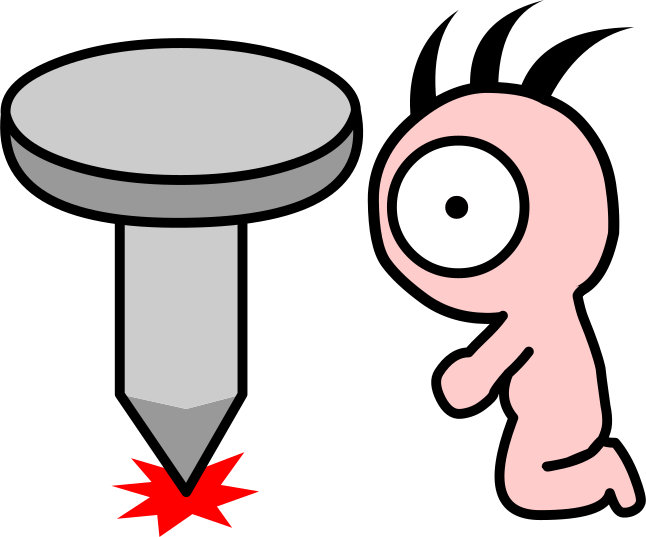
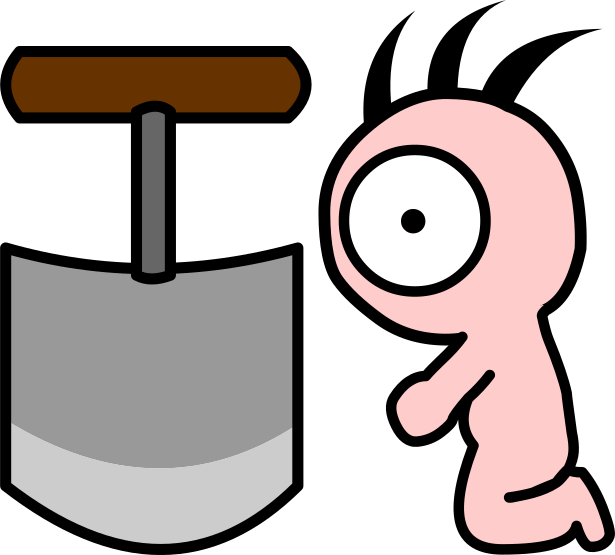
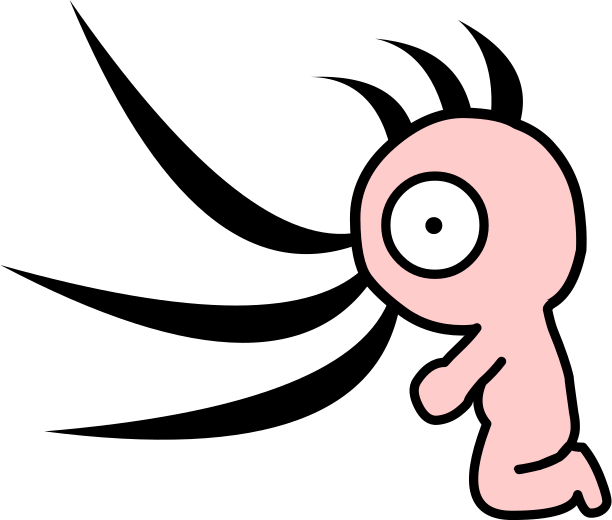
顛 is composed of 真 (genuine) and 頁 (head, page). 真 is a pictograph of a hand pressing down on a tripod cauldron, while 頁 depicts a person’s profile head, both implying something high or supreme. Thus, 顛 originally means the top or summit, but this meaning was later taken over by 巔. Being at the top of a mountain carries the risk of falling, and when falling, one inevitably ends up head over heels. Nowadays, 顛 is mostly used to indicate falling or inversion.
Vocabulary of 顛
- 顛簸 (jolt)
- 顛覆 (subvert)
- 顛沛 (destitute)