陳
display
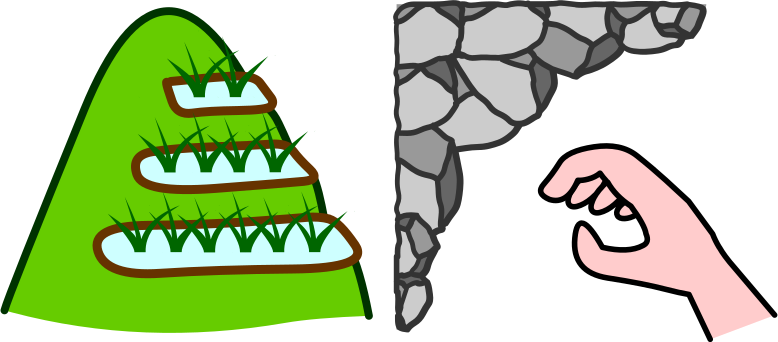
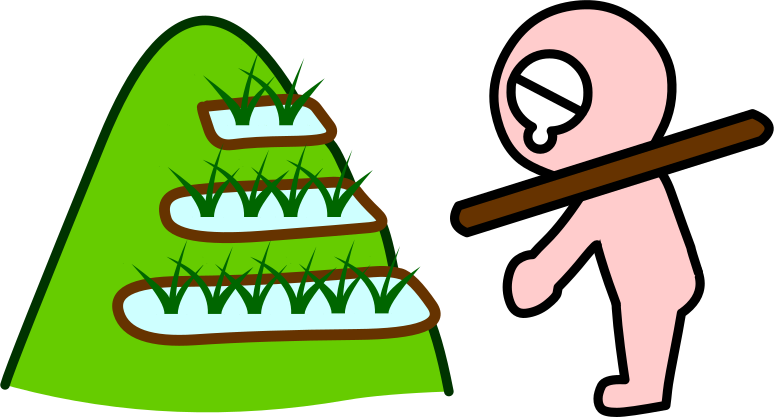
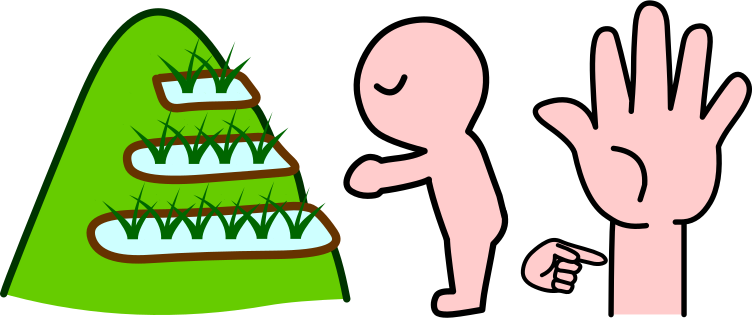
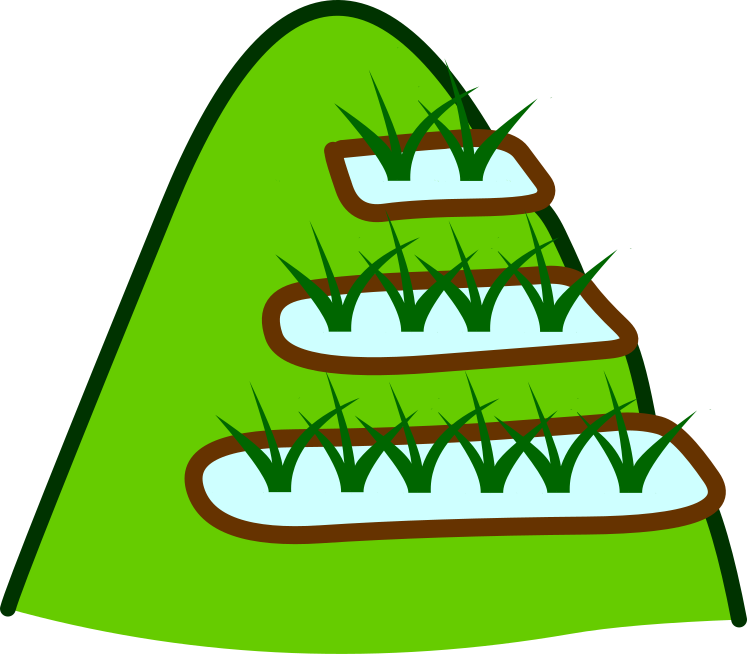
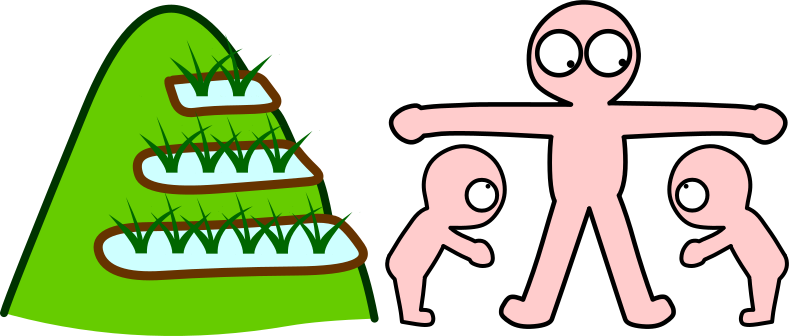
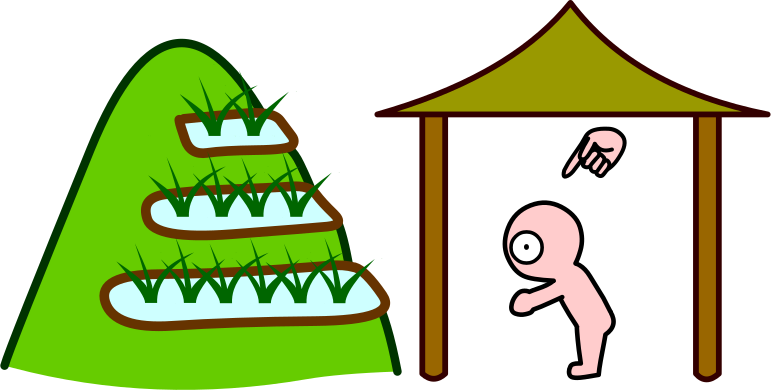
陳 is composed of the radical 阜 (mound, hill) and 東 (east). 阜 depicts a terraced hillside, representing high ground, while 東 is a pictograph of a sack for holding items, indicating a multitude of objects. When there are many objects, they must be arranged one by one and viewed from a high vantage point to be seen clearly, as represented by 陳, meaning to display or arrange. Additionally, 陳 and 陣 share the same origin, with closely related pronunciation and meaning.
Vocabulary of 陳
- 陳述 (declare)
- 陳列 (display)
- 陳舊 (old-fashioned)